Friday, May 8, 2020
Northwoods Frog Call Phenology
Check out these frog calls over the course of Spring and Summer. We love capturing audio of frogs in the woods and at the pond, and this chart and audio will help us identify the frogs we hear.

Thursday, May 7, 2020
"The Wood Shed" a poem by Mary Oliver


Homemade Wood Rack
 |
| New wood rack ready to be filled |
 |
| Bricks and pressure treated cross pieces |
 |
| A separate cross piece was later also screwed above the lumber in the center for more stabiity. |
 |
| The first new wood rack is filled. It is a somewhat low stack for stability purposes |

Wednesday, May 6, 2020
Barred Owl calling...
A Cutie Hootie Owl was calling in the woods next to the pond during this calm, early morning hour.
The loons were calling this morning
Lovely loon calls this morning. 4am seems to be the bewitching hour! There is nothing like it...so soul soothing when they are just calling calmly;-)
Did you know that the different loon vocalizations have different meanings? Loon.org is a great loon conservation website for information and audio clips (with their meanings.) I also really liked this quote from the blog of the Cable Natural History Museum in Michigan.
Did you know that the different loon vocalizations have different meanings? Loon.org is a great loon conservation website for information and audio clips (with their meanings.) I also really liked this quote from the blog of the Cable Natural History Museum in Michigan.
Stone, Emily M. “Natural Connections: Exploring North Woods Nature Through Science and Your Senses-Loon Language.” http://cablemuseumnaturalconnections.blogspot.com/2012/06/loon-Language.html, 26 June 2012."Loon Language: The mournful wail of a common loon echoes across the glassy water. From a neighboring lake, another loon replies with the same smooth cry. The loons are keeping track of one another, maybe as neighbors, maybe as mates, maybe as rivals. Sometimes the still night air is pierced by the maniacal laughing yodels of two male loons. This signifies a battle over territory. Home territory means a lot to loons. The longer a male resides in the same territory, the greater his chance of raising chicks to adulthood. The resident male will fight to the death if necessary to defend his island, lake or bay. Even if the invading male wins, the resident female will stay on the territory with the new male. An invading loon, looking for his own place to raise a family, will fly over an occupied territory and first give the wavering tremolo flight call. If the resident male is willing to fight for the prime real estate, he will reply with a yodel. The invading loon can tell by the lowest note in the tremolo approximately how big the defender is, and use this information to decide whether a fight is in his favor or not. If he chooses to fight, the invader replies with his own unique yodel. Loons can tell each other apart by their calls, and even third-graders can tell loons apart by looking at sonograms of their yodels!"
Sunday, May 3, 2020
Early morning cacophony on Caesar Pond
Crrrraaaaazzzyyy early morning on Caesar Pond. At 4am, two loons started calling in a wild way, which set off a barred owl to hooting. This set off some coyotes to howling and yipping, which scared up some mallards that started quacking, all accompanied by the spring peeper choir. This lasted for about 10 minutes and then all went still again...
We need to get the sound recorder over to the pond by 3:30am, on calm mornings, because we missed recording all of this. Drew was on the porch listening while I was fumbling and bumbling and practically falling out of bed in my haste to hear it all...
Saturday, May 2, 2020
Hummingbird and Jelly feeders are waiting for customers!

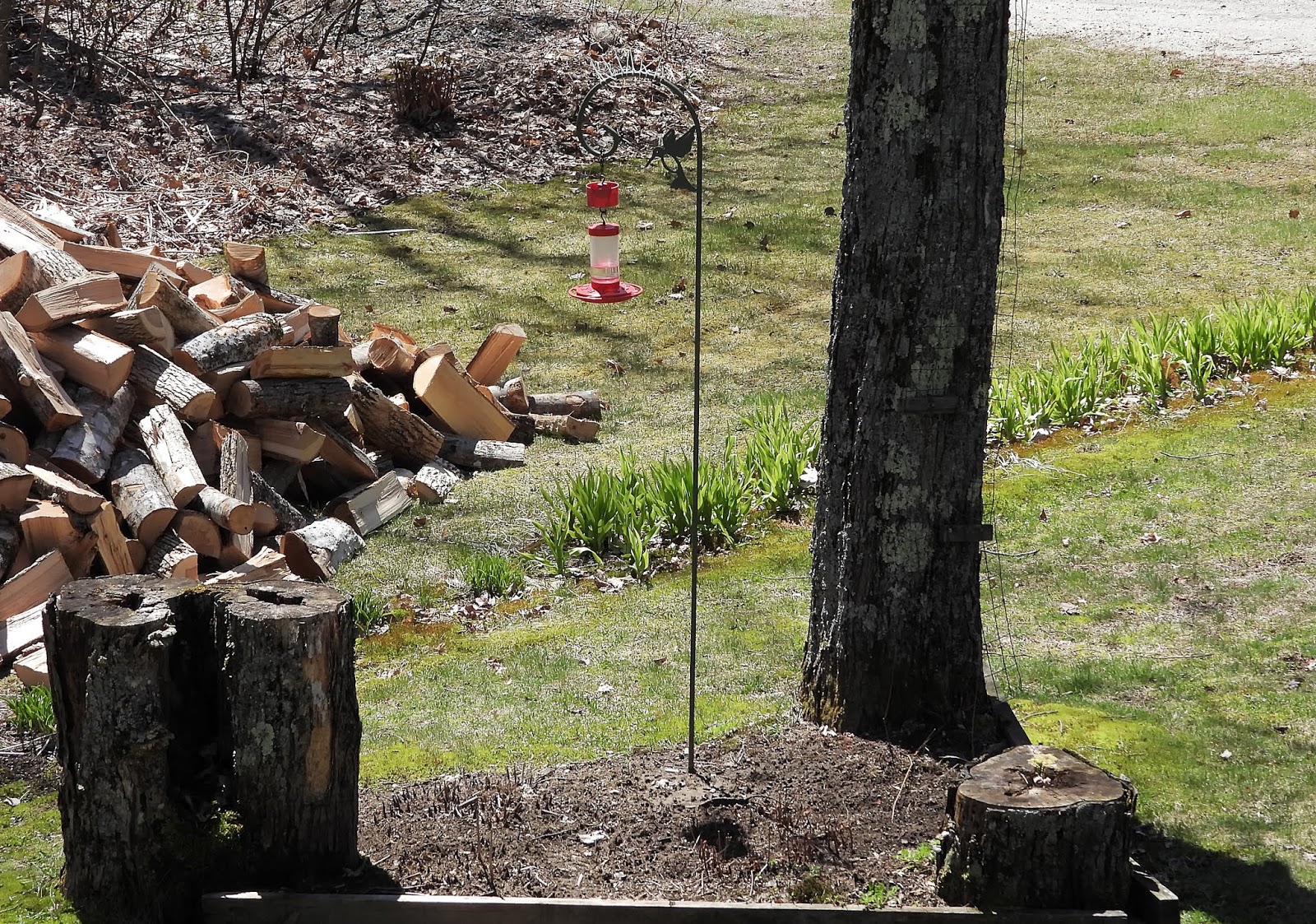

I also saw the first Rose-breasted Grosbeak of the season today.
Friday, May 1, 2020
Northern Forest Atlas


Bird Watcher's Bingo Cards
 |
| Here is ours for the Northeast! |
I have seen the following birds from this list, this week. What birds have you seen?

Blue Jay

American Crow
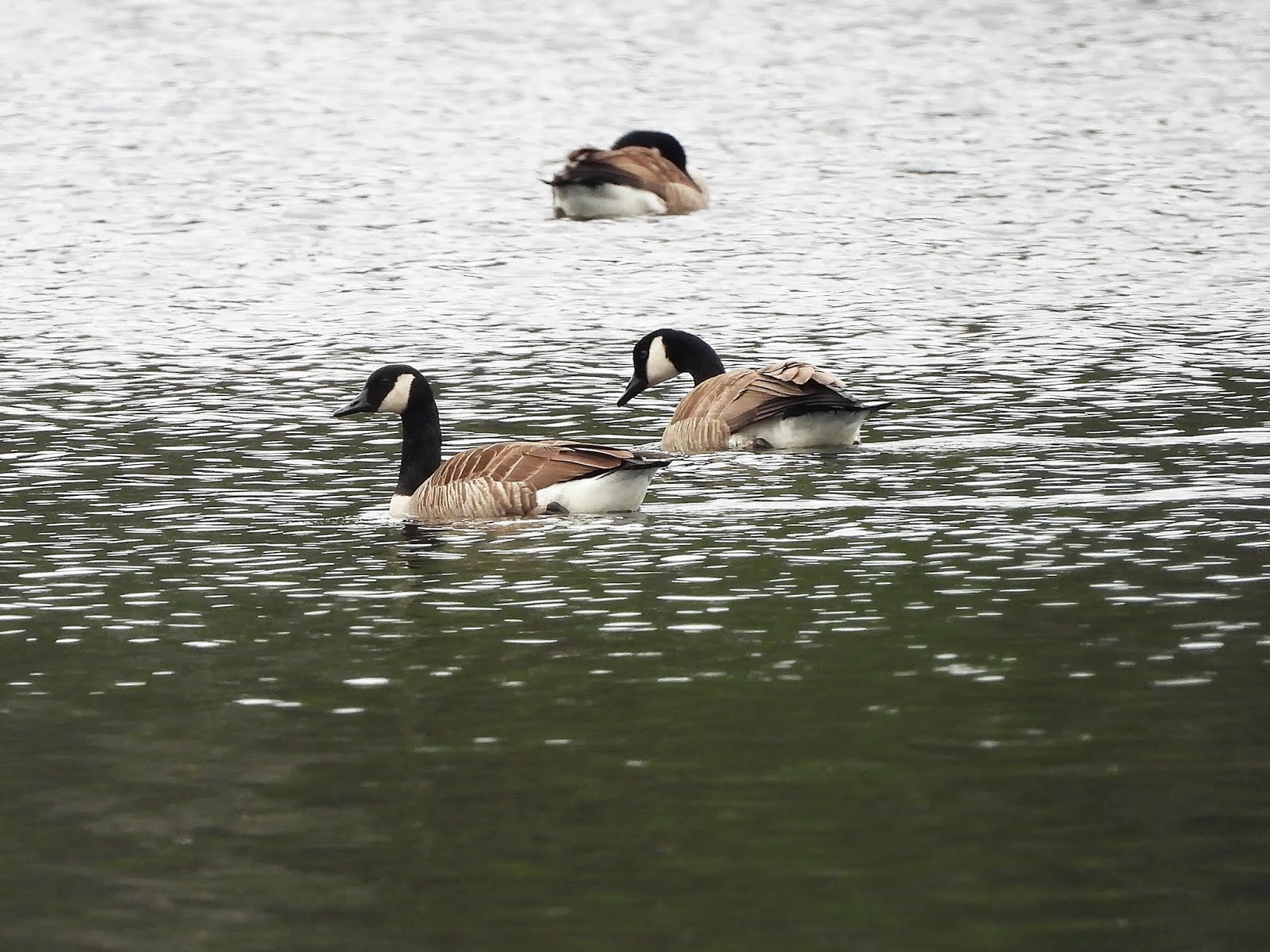
Canada Goose

Downy Woodpecker

Mourning Dove


Red-winged Blackbird

White-breasted Nuthatch

Black-capped Chickadee

Hairy Woodpecker

Pileated Woodpecker

Common Grackle

American Robin

American Goldfinch
Wednesday, April 29, 2020
Yellow-rumped Warblers have arrived for the spring/summer season!


Subscribe to:
Posts (Atom)